Investigation teaser
Open videoThe Ledgers investigation teaser. The video is in English.
Some scenes are AI-generated illustrations.
Philippe Amon is coming to Istanbul. According to information received by The Ledgers, the head of SICPA will personally take part in talks next week about Indonesia’s tax stamp business. With him is a state-owned company from Abu Dhabi: Oumolat, the printing arm of the UAE’s central bank. The approach is familiar. It has three steps, and we have seen all three before.
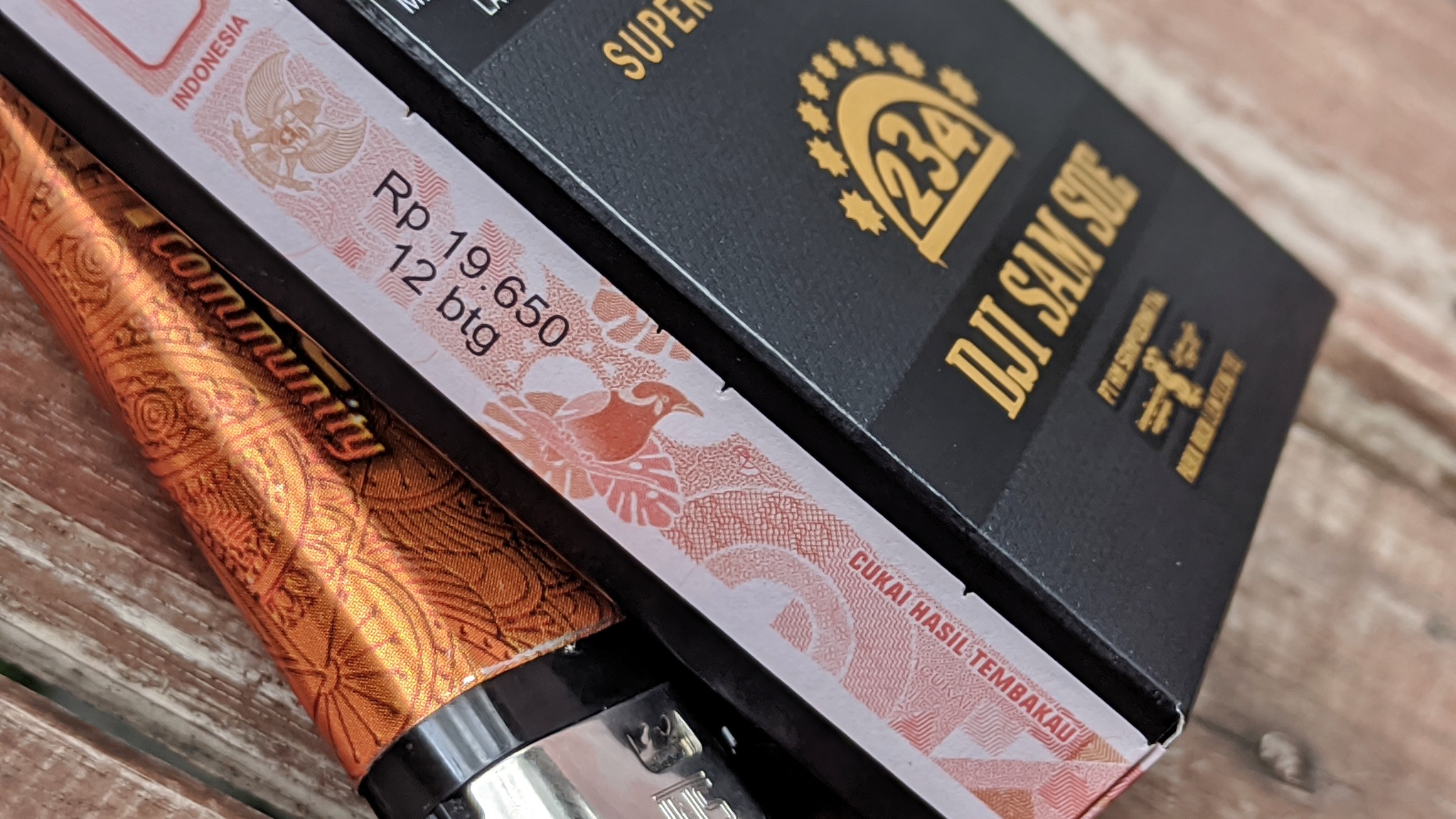
A tax stamp looks like a dull slip of paper. Yet that little stamp on a packet of cigarettes or a bottle of liquor holds the key to a government’s tax revenue. Billions ride on who prints the stamps, who codes them and who counts them.
In Indonesia, that decision belongs to the state. Those seeking to influence it are said to be approaching Jakarta from the Gulf rather than from Switzerland.
The talks in Istanbul
This is our source’s account: SICPA is not pursuing Indonesia’s tax stamp business under its own name. It is putting its Abu Dhabi partner, Oumolat, out front. An intermediary identified in the file only as “Mr. H” is arranging contacts at the highest level in Jakarta. The parties are meeting in Istanbul next week. SICPA’s chairman and CEO, Philippe Amon, will take his seat at the table in person rather than sending a representative or a regional director.
When the head of a company travels in person for a tax stamp deal, the stakes are unlikely to be small. Amon’s signature appears twice more in this story: in Lausanne in February 2017, with Indonesia’s state mint, and in Abu Dhabi in October 2023, with Oumolat. Both times, a state institution sat across from him.
SICPA already makes ink in Indonesia through a joint venture with PERURI. If Philippe Amon is preparing a tax stamp proposal through Oumolat, why did he choose that route? Who has been invited to the meeting reportedly planned for Istanbul? Is there to be an intermediary’s fee or a success fee? If so, who would be paid, how much and by whom? Will Indonesia hold an open tender for the work or use another procurement procedure?
There are verified facts behind the allegation. Taken together, those facts reveal a method that goes beyond any single case.
A three-step formula
Put SICPA’s cases around the world side by side and the same sequence emerges.
Step one: put the state’s name on the sign. In Indonesia, a joint venture with the state mint. In Abu Dhabi, a joint venture with the central bank’s printer. In Tirana, through that partnership, a joint venture with the state printer. In Ankara, a joint venture with PTT. In Brazil there was no need even to set up a company: the business went directly through the state mint. In each case the name on the sign belongs to the state, the technology to SICPA.
Step two: give the person who opens the door a share in the business. But not in their own name. An intermediary without an official role, a spouse’s company, a relative’s consultancy, a postbox in a tax haven. In other countries, this step has gone beyond allegation and entered court and audit records:
- Brazil. According to a report by the federal oversight body, the CGU, at least $14.8 million was transferred to a public official between 2009 and 2015 under “sham contracts” between a New York consulting firm and another consultancy. According to the US case file, the counterparty was a company belonging to the official’s wife. The Brazilian criminal case ended in acquittal on appeal. Two SICPA companies signed a settlement for 762.7 million reais in 2021. In the United States, former SICPA consultant Charles Finkel pleaded guilty. His sentencing hearing is scheduled for 10 February 2027. SICPA says Finkel acted as a consultant and on his own behalf.
- The Philippines. According to a Swissinfo report based on a Swiss prosecutor’s document, the terms for a member of the then president’s family included a monthly fee and a $200,000 success fee.
- East Africa. A 2019 contract published by The Ledgers provided for an upfront payment of $820,000 to an intermediary in the British Virgin Islands, plus 12 percent of net revenue for five years. The contract does not name SICPA. We reported that from the outset.
- Switzerland. The finding in the 2023 order: the company failed to take measures to prevent its employees and consultants from bribing foreign public officials.
Step three: secure the work without a tender. In Brazil, two contracts worth 3.39 billion and 3.15 billion reais were signed without competitive bidding. In Uganda, the tax stamp contract was awarded to a single source in 2018. In Kenya, a fuel-marking tender was cancelled. The work went to SICPA under a “specially permitted procurement” procedure that drew a single bid, at more than four times the best bid in the original tender. In Albania, the concession was secured in 2011 through an “unsolicited proposal”.
First the name on the sign. Then the intermediary. Then the contract without a tender.
Let us be clear. We have no document showing that the second step took place in the PTT partnership, at Oumolat or in Indonesia. We are not accusing anyone of that. But given the same company’s record in other countries, the first question for those at the table in Istanbul is clear: who is acting as an intermediary, in what capacity and in return for what? At the heart of that question is a “Mr. H” whose name and role have not been disclosed.
Now let us follow the steps in order.
Oumolat: the seal of a central bank
Its name means “money” in Arabic. Founded in Abu Dhabi in 2016, it is wholly owned by the Central Bank of the United Arab Emirates. Its chairman is Saif Humaid Al Dhaheri, one of the central bank’s assistant governors. Oumolat prints the country’s dirhams.
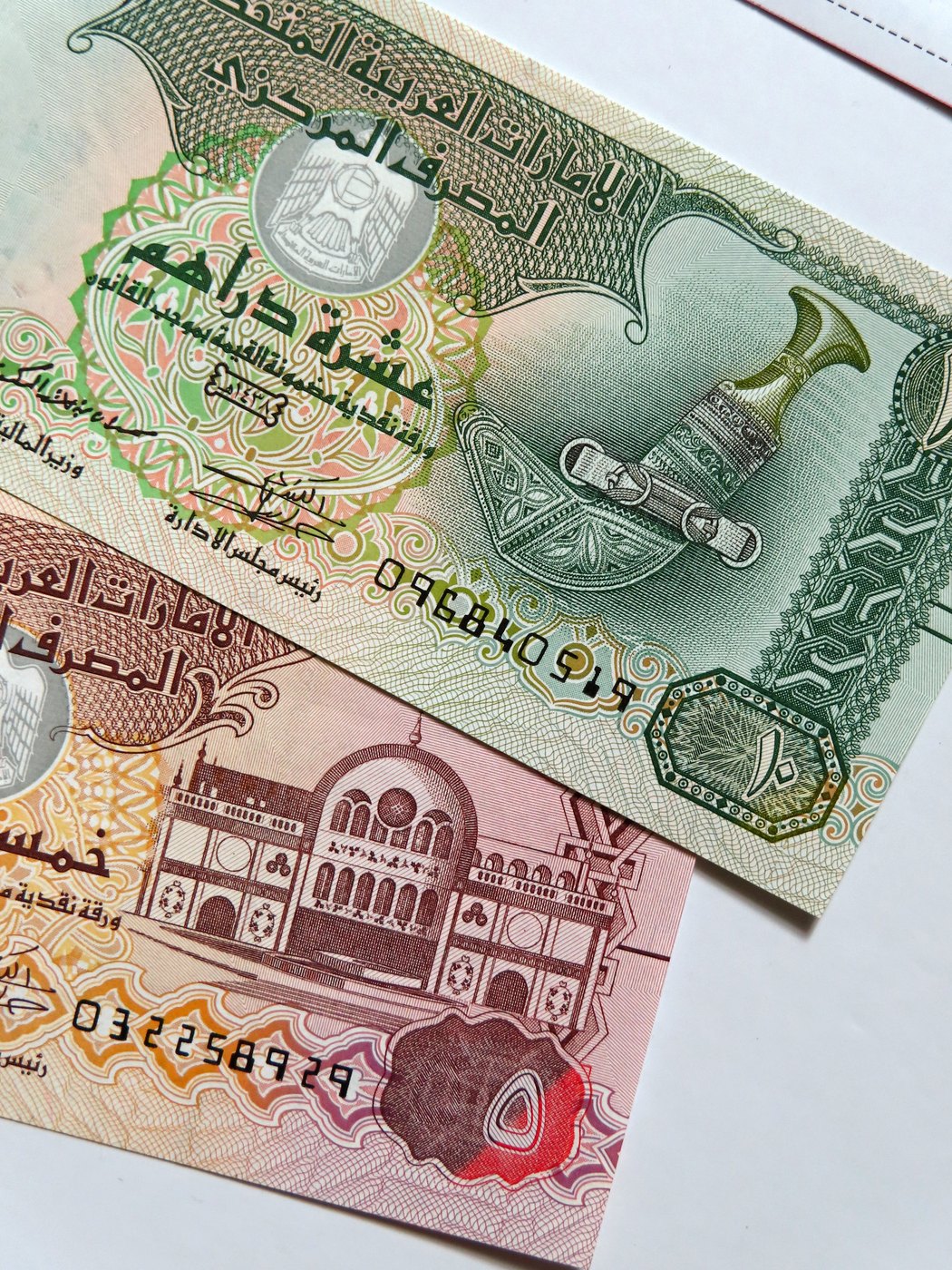
Oumolat is more than a printer. It is an instrument of Abu Dhabi’s currency diplomacy. Under a memorandum signed in August 2025 between the UAE central bank and the Bank of South Sudan, support for banknote printing is provided through Oumolat. When Syria was planning to move banknote printing from Russia to other countries, Oumolat was the company Reuters named as a possible supplier.
In 2023, it became the first company from the Middle East admitted to BnEI, the industry’s anti-corruption initiative. Its general manager said at the time that the company was committed to the most demanding standards of transparency and good governance.
For a company knocking on a government’s door, there could hardly be a better calling card. Across the table sits the central bank of a friendly country rather than a salesman.
October 2023: the central bank’s seal finds a partner
On 27 April 2023, Switzerland’s Office of the Attorney General issued a summary penalty order against SICPA SA. The company was fined 1 million Swiss francs and ordered to pay a further 80 million francs for failing to take measures to prevent its employees and consultants from bribing foreign public officials. It did not challenge the order.
Five and a half months later, on 12 October 2023, SICPA chairman and CEO Philippe Amon was in Abu Dhabi. At the UAE central bank’s headquarters, in the presence of its governor and the Swiss ambassador, he signed an agreement with Oumolat.
The agreement produced a joint venture, O&S Security Solutions. According to documents filed in the Albanian business register, Oumolat owns 60 percent and SICPA Middle East Investments Holding 40 percent. As Oumolat puts it on its own website, the venture’s business is to supply tax stamp and tracking solutions “to the UAE and from the UAE to other markets”.
Other markets. The rest of the story lies in those two words.
The calculation is simple. The name of a company penalised in Switzerland raises questions for a tender committee. The name of a central bank subsidiary does not. The ink, the codes and the software still come from the same place.
The rehearsal in Tirana
The first of those “other markets” was Albania, a country with a Muslim-majority population.
SICPA held the tax stamp concession there under its own name from 2012 to the end of 2024. It had secured the concession in 2011 through its own “unsolicited proposal”, without an open competition. According to Top Channel, it earned more than €110.5 million in revenue over twelve years. The concession then expired, and the government announced that it was bringing the work back under state control.
A new company, ALBTrace, was established in March 2025. According to the register, the Albanian state printer owns 51 percent and UAE-registered O&S owns 49 percent. Finance Minister Petrit Malaj calls it a “state company” and says the stamps cost 20 percent less to produce than under the previous concession holder.
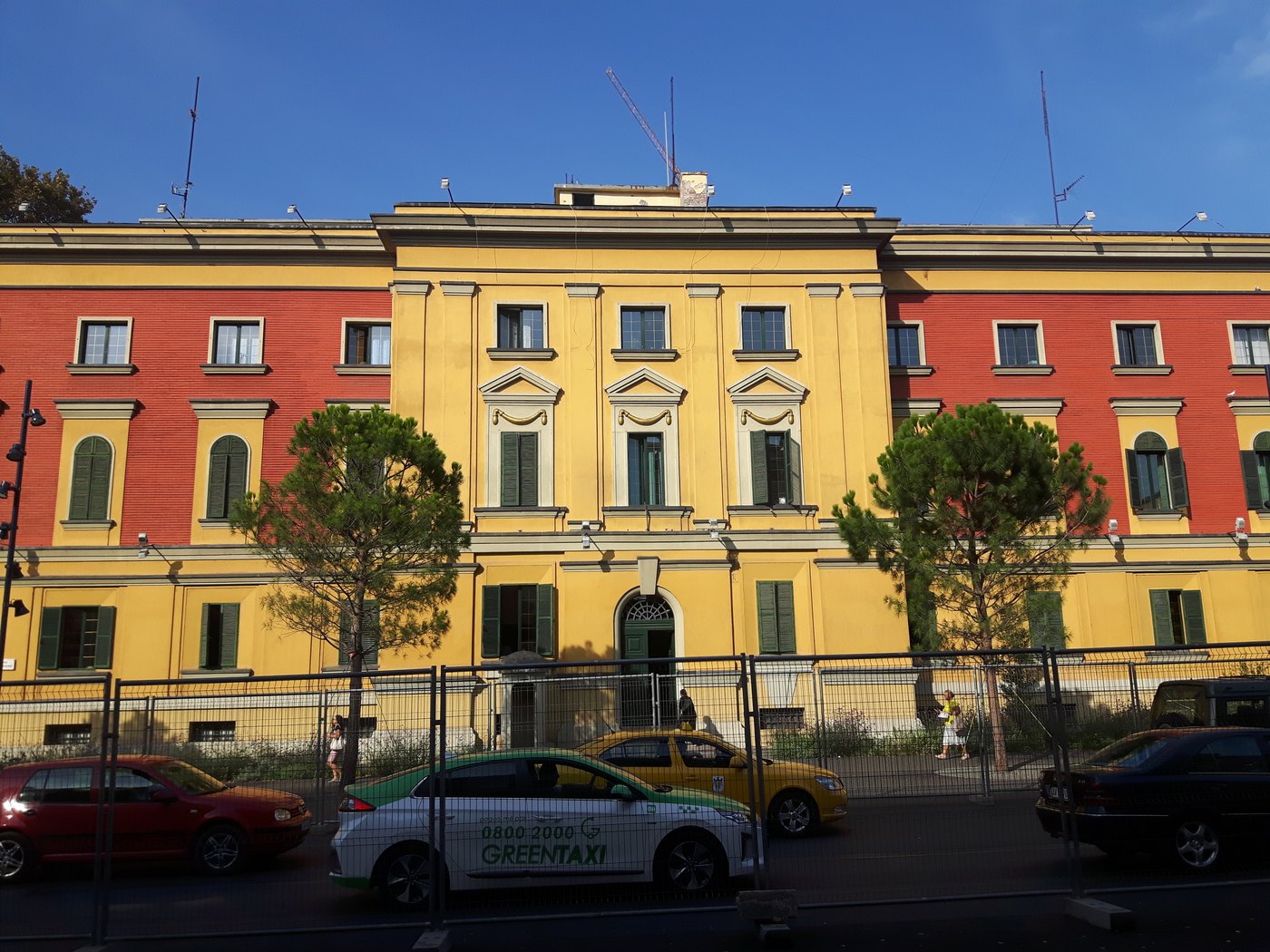
Albania’s beneficial ownership register lists Philippe Amon among ALBTrace’s indirect beneficial owners. Through Argaman Holding, which he wholly owns, Amon holds 70 percent of SICPA Holding. The SICPA group holds 40 percent of O&S, which in turn holds 49 percent of ALBTrace. Multiplying those three percentages gives Amon an indirect economic interest of 13.72 percent in ALBTrace’s equity.
The former concession holder, however, is part of the company. According to a report published by Gazeta Standard on 31 October 2026, ALBTrace buys the stamps from its own shareholder, O&S, without a tender. The director of the state printer did not answer a question on that point.
In Article 1 of Decision No. 393 of 10 July 2025, Albania’s Council of Ministers directly authorised ALBTrace to mark and track cannabis for medical and industrial purposes. In Decision No. 593 of 22 July 2026, the Council repealed the previous decision and again designated ALBTrace for the same task.
The Tirana formula in three steps. The Swiss company leaves through the front door. It returns as the partner of a Gulf central bank subsidiary. The sign says “state”.
The target: Jakarta
Indonesia has the world’s largest Muslim population and one of its largest cigarette markets. Its tax stamps are printed by a consortium led by Peruri, the state mint. The customs authority’s initial order for January 2026 alone was 25 million sheets.
SICPA is no stranger to Indonesia. For more than twenty years, it has had a joint ink company with Peruri, based at the mint’s complex in Karawang. The shareholders’ agreement that increased Peruri’s stake from 20 to 48 percent was signed in Lausanne on 3 February 2017. It bears Philippe Amon’s signature.
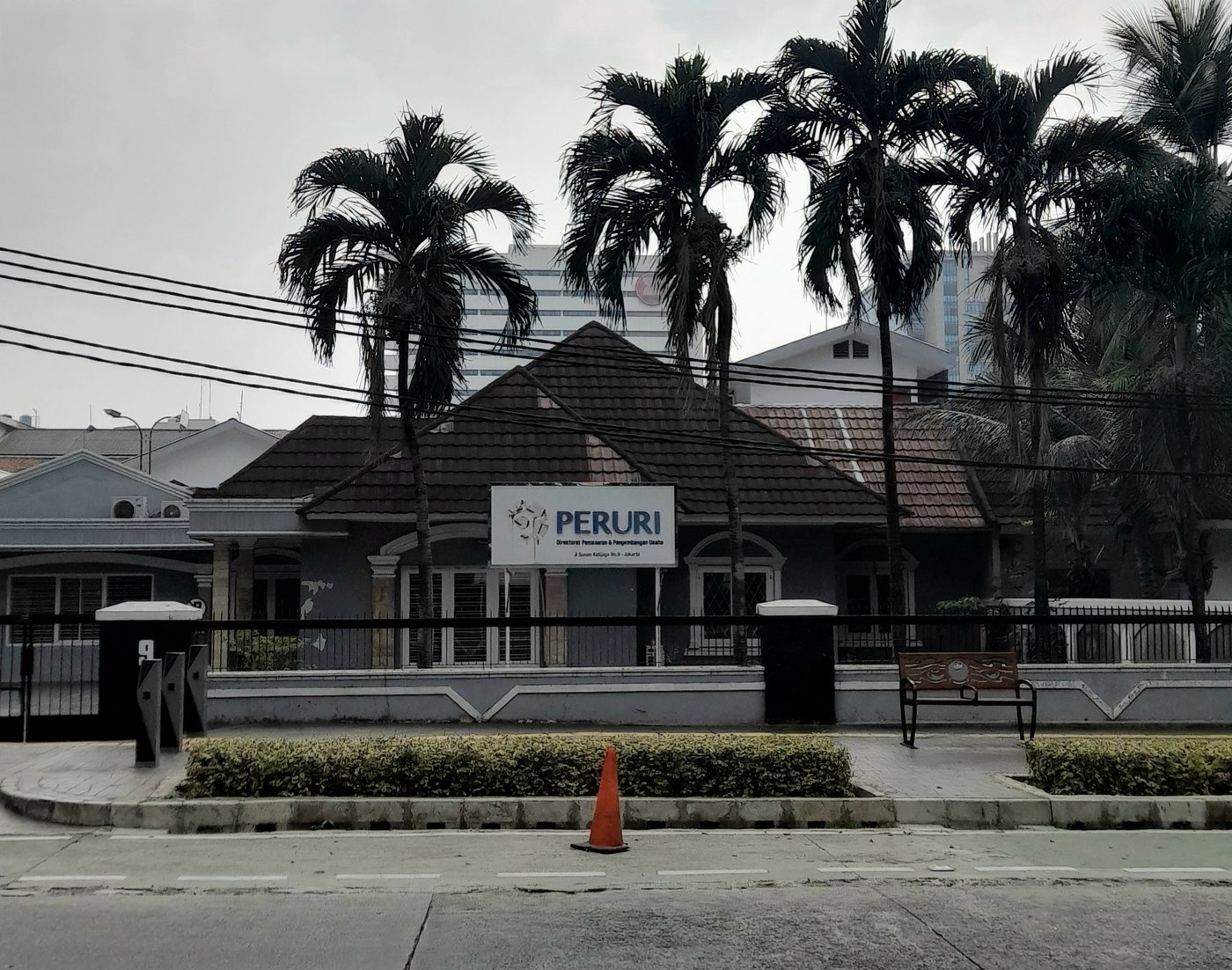
Here is the question. Why would a company that already partners with the state mint in Jakarta want to approach the same country bearing Abu Dhabi’s seal?
Part of the answer lies in its record. SICPA has struggled in open competitions under its own name. In Tanzania in 2023, a tender was cancelled because SICPA had failed to disclose its Swiss conviction in its bid. In 2024 the Kenya Bureau of Standards introduced a tender requirement excluding companies penalised for bribery anywhere in the world. SICPA challenged the clause before three different bodies and lost each time. In Pakistan, it finished third in the competition for a tobacco tracking licence, with 162.58 points.
Another part of the answer lies in the method. When work passes from one state institution to another, from a central bank to a mint, there is often no tender. A competitor cannot bid because there is no competition to enter.
That is our reading. SICPA and Oumolat can tell us whether it is correct. Our questions are below.
Türkiye knows this formula
If such talks take place in Istanbul, the host country has seen the formula before.
The Ledgers has obtained an eight-page set of articles of association, certified by the Ankara 20th Notary’s Office on 27 September 2018 under number 15801. The company’s name is PTT Teknoloji ve İnovasyon A.Ş. The Turkish postal service, Posta ve Telgraf Teşkilatı, holds 51 percent and SICPA Turkey 49 percent. The first line of its objects clause reads: “National Product Tracking and Tracing Platform.”
On that date, the Swiss bribery investigation was still under way. Fifteen months remained on the tax stamp contract SICPA held in Türkiye under its own name.
On paper the state held the majority. The articles tell a different story:
- Article 9. The company is bound by the joint signatures of two board members, one nominated by PTT and one by SICPA Turkey. PTT cannot sign on its own.
- Article 10. The budget, the appointment of the general manager and all contracts for the company’s principal activities, “including national product tracking and tracing activities”, require the affirmative vote of a member nominated by SICPA Turkey.
- Article 17. The general meeting requires representation of the entire share capital at its first meeting and 75 percent at its second. If the holder of the 49 percent stake stays away, there is no meeting.
- Article 23. Shareholders may not take a stake in another company in the same field.
PTT’s name on the sign, the key in SICPA’s hands.
Alongside the document is a photograph dated 6 July 2018, 83 days before the signing at the notary’s office. Five people stand on a mown lawn in a garden overlooking a lake. According to the source who gave us the photograph, Philippe Amon and Kenan Bozgeyik, PTT’s general manager at the time, are standing side by side. The articles of association name Bozgeyik as chairman of the new company’s board.
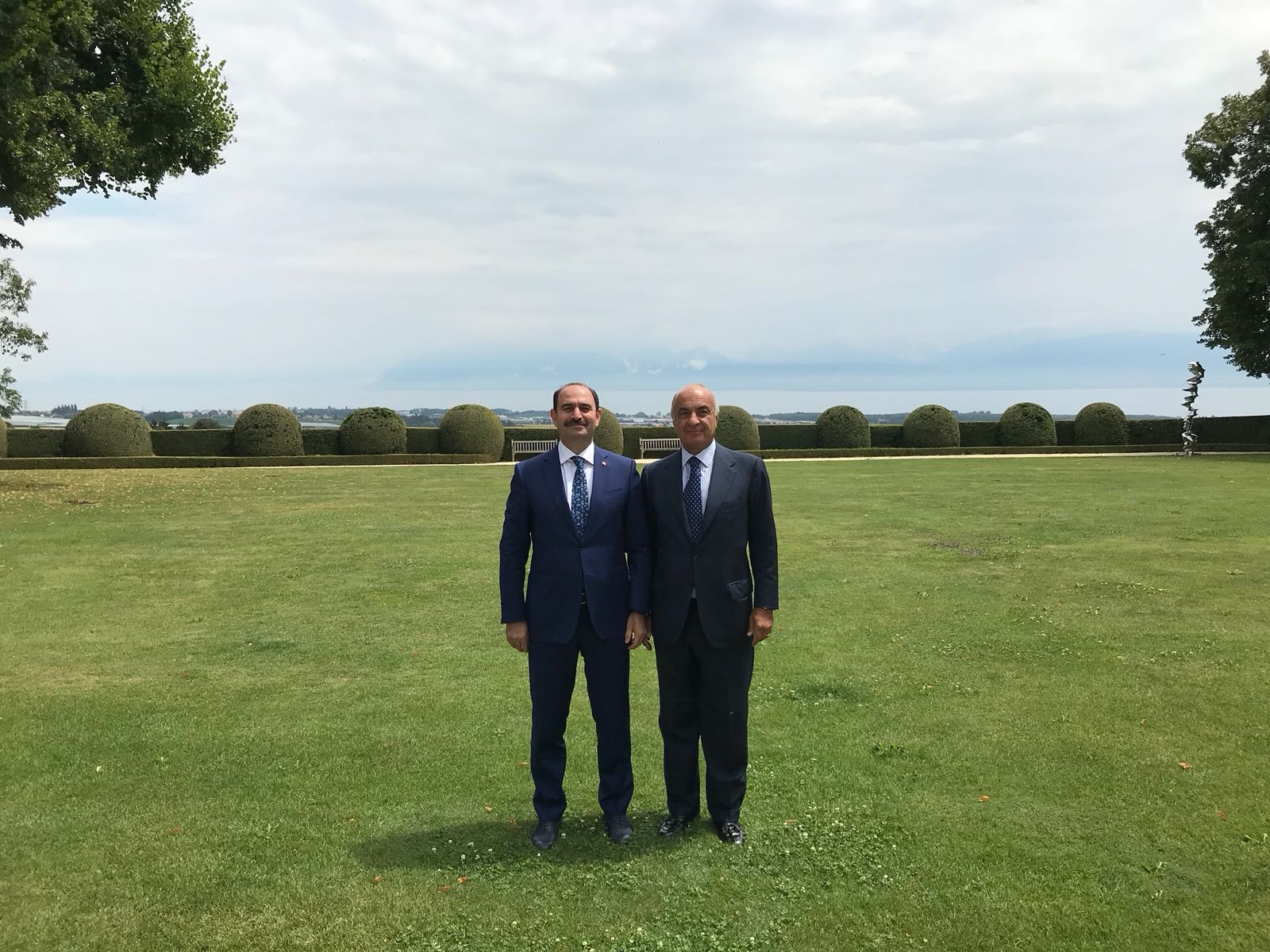
PTT in Ankara. The state printer in Tirana. The central bank in Abu Dhabi. PTT and Oumolat are both state-owned. Three state seals in three capitals, and behind them a single company run from Lausanne.
Now it is Jakarta’s turn, and that is why Amon is coming to Istanbul. The first step has been taken: there is a state’s name on the sign. Two questions remain. Who will act as intermediary? And will Indonesia put the work out to tender?
Questions awaiting answers
For Oumolat and the Central Bank of the UAE
1. In which countries outside Albania does O&S Security Solutions have a proposal or a contract? Is Indonesia one of them?
2. Will you attend a meeting about Indonesia in Istanbul next week? With whom?
3. When you partnered with SICPA in October 2023, how did you assess the Swiss summary penalty order issued six months earlier?
4. Does O&S use intermediaries or consultants to win business in a country? Who pays their fees?
For SICPA SA and Philippe Amon
5. Are you pursuing a proposal in Indonesia through Oumolat or O&S? Why are you not doing so through your existing partnership with Peruri?
6. Whom will Philippe Amon meet in Istanbul next week? Is the person identified as “Mr. H” acting on your behalf? Do you have a contract or success fee agreement with him or an affiliated company?
7. What work was PTT Teknoloji ve İnovasyon A.Ş. set up to do, and what became of the company?
For Peruri and Indonesia’s Directorate General of Customs and Excise
8. Have you received a proposal for tax stamps or a tracking system from Oumolat, O&S or SICPA? Will the contract be awarded by tender?
For PTT A.Ş. and Kenan Bozgeyik
9. What procedure was used to select SICPA Turkey as a partner? Was the company registered, and what is its status today?
10. Where were you on 6 July 2018, and at whose invitation?
This story will be updated when responses are received.
Sources
- Oumolat: International Currency Association, Zawya, Currency News, Vertex Compliance, Central Banking
- Oumolat–SICPA agreement, 12 October 2023: Central Bank of the UAE, Oumolat
- Statement by Switzerland’s Office of the Attorney General, 27 April 2023: admin.ch
- Albania: Shqiptarja, Top Channel, Gazeta Standard, Albanian Daily News, Alfapress, Albania’s National Business Center (QKB), ALBTrace Co beneficial ownership record (NIPT M51512056Q), Council of Ministers Decision No. 393 (2025), Council of Ministers Decision No. 593 (2026)
- Indonesia: Detik, VOI, CNN Indonesia
- Pakistan: Profit
- Articles of association of PTT Teknoloji ve İnovasyon A.Ş., Ankara 20th Notary’s Office, 27 September 2018, No. 15801 (The Ledgers archive)
- Records for Brazil, the United States (Finkel), the Philippines, Uganda, Kenya and Tanzania: The Ledgers’ published SICPA investigations (CGU report, US court records, Swissinfo, Kenya’s Office of the Auditor-General).
File updates
Report published
Reader comments
Verified members can comment. Comments appear after editorial approval. Please address the evidence and avoid personal information.
No published comments yet.
Sign in / Create account →Stay with the story.
Follow The Ledgers for new investigations, developments in our case files and videos.
Choose The Ledgers in Google’s source preferences. Availability is determined by Google.